Solo exhibition · 2026
Ce Qui Demeure
An exhibition by Arnaud de Turckheim
- Dates
- 4 - 19 November 2026
- Opening
- Wednesday 4 November
- Venue
- 10 rue Lincoln, 75008 Paris
- Curator
- Pierre El Khoury
Arnaud de Turckheim’s first solo exhibition. Eighteen photographs, one question: what remains when everything keeps passing?
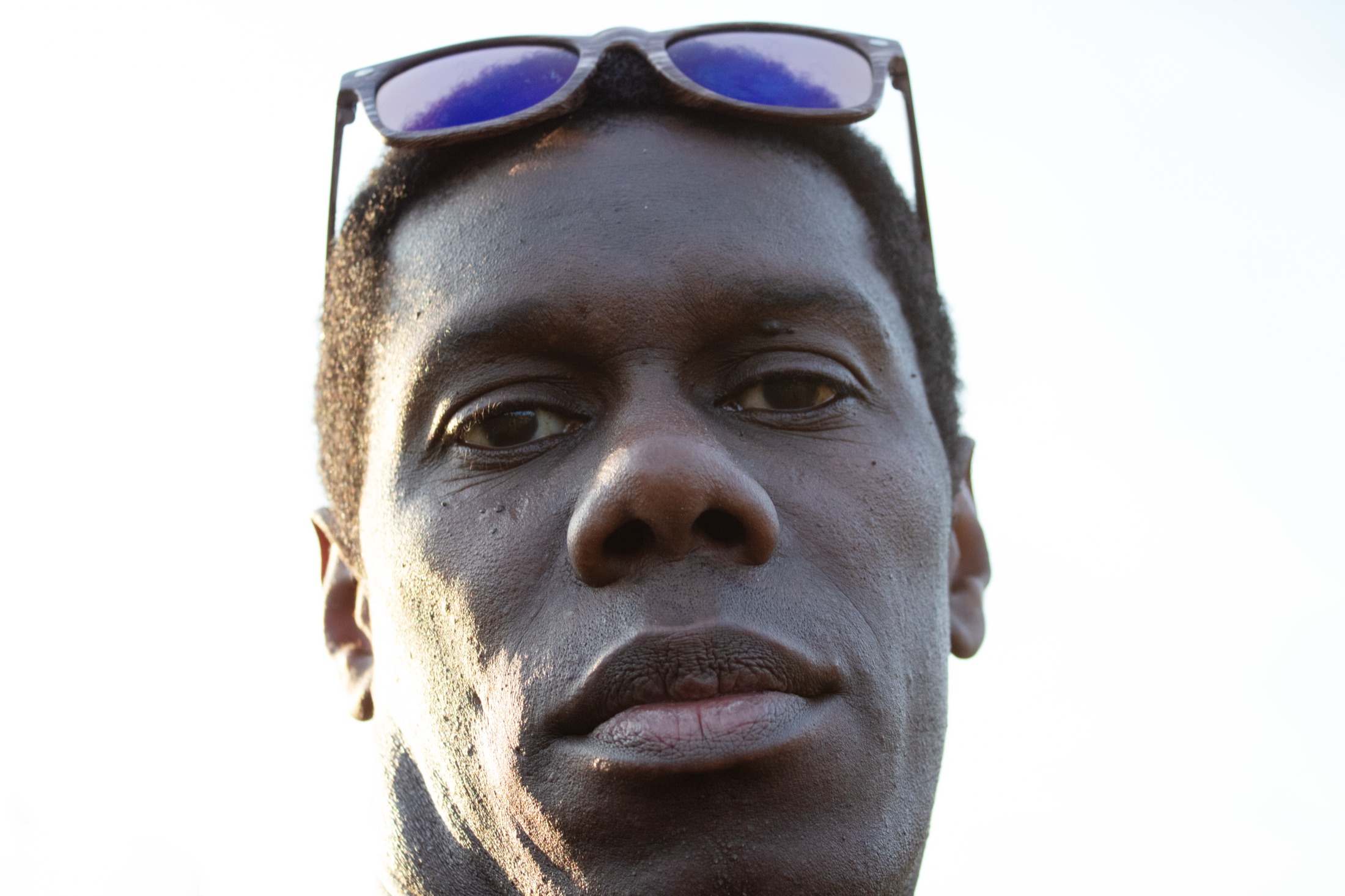
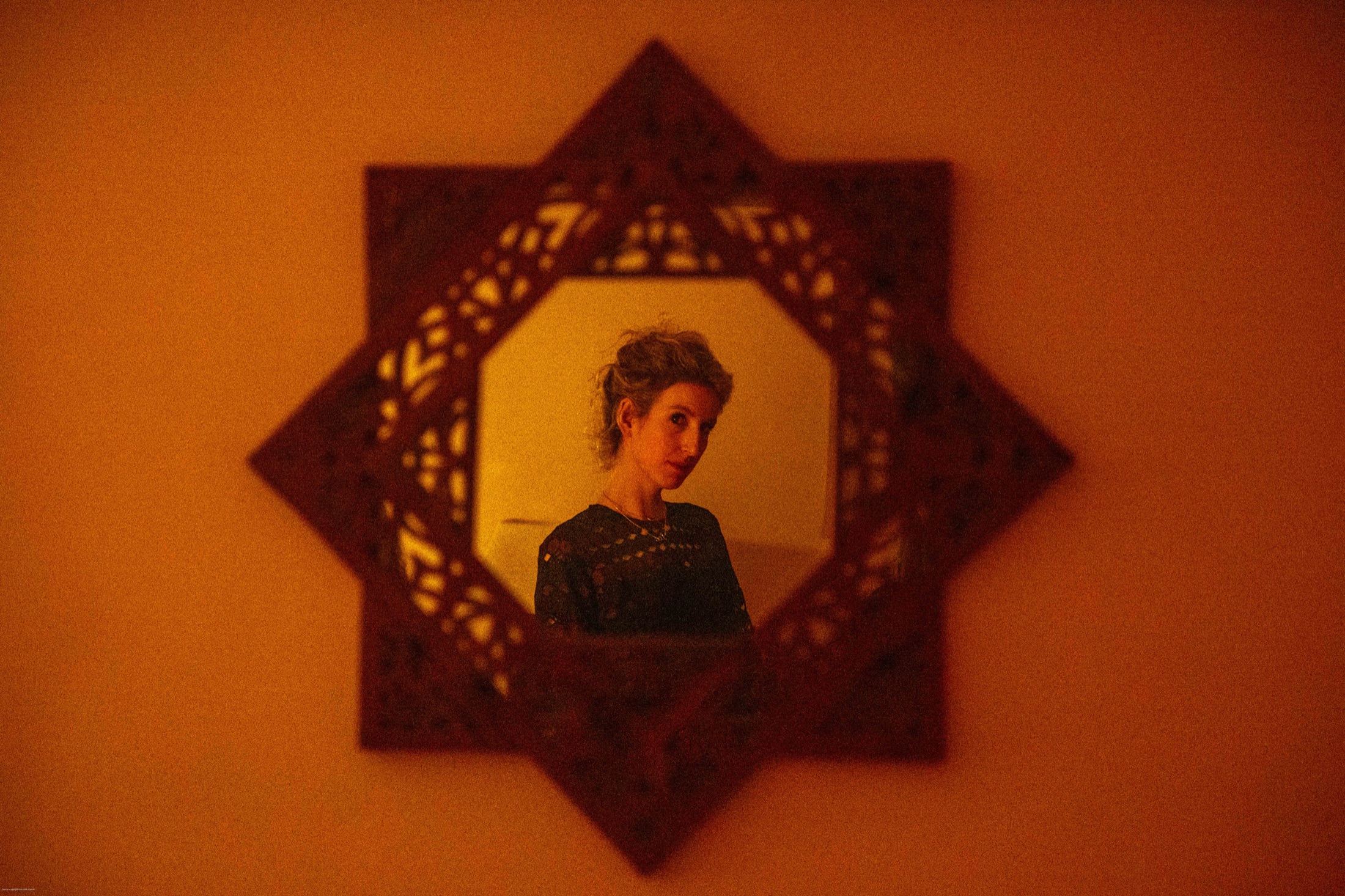
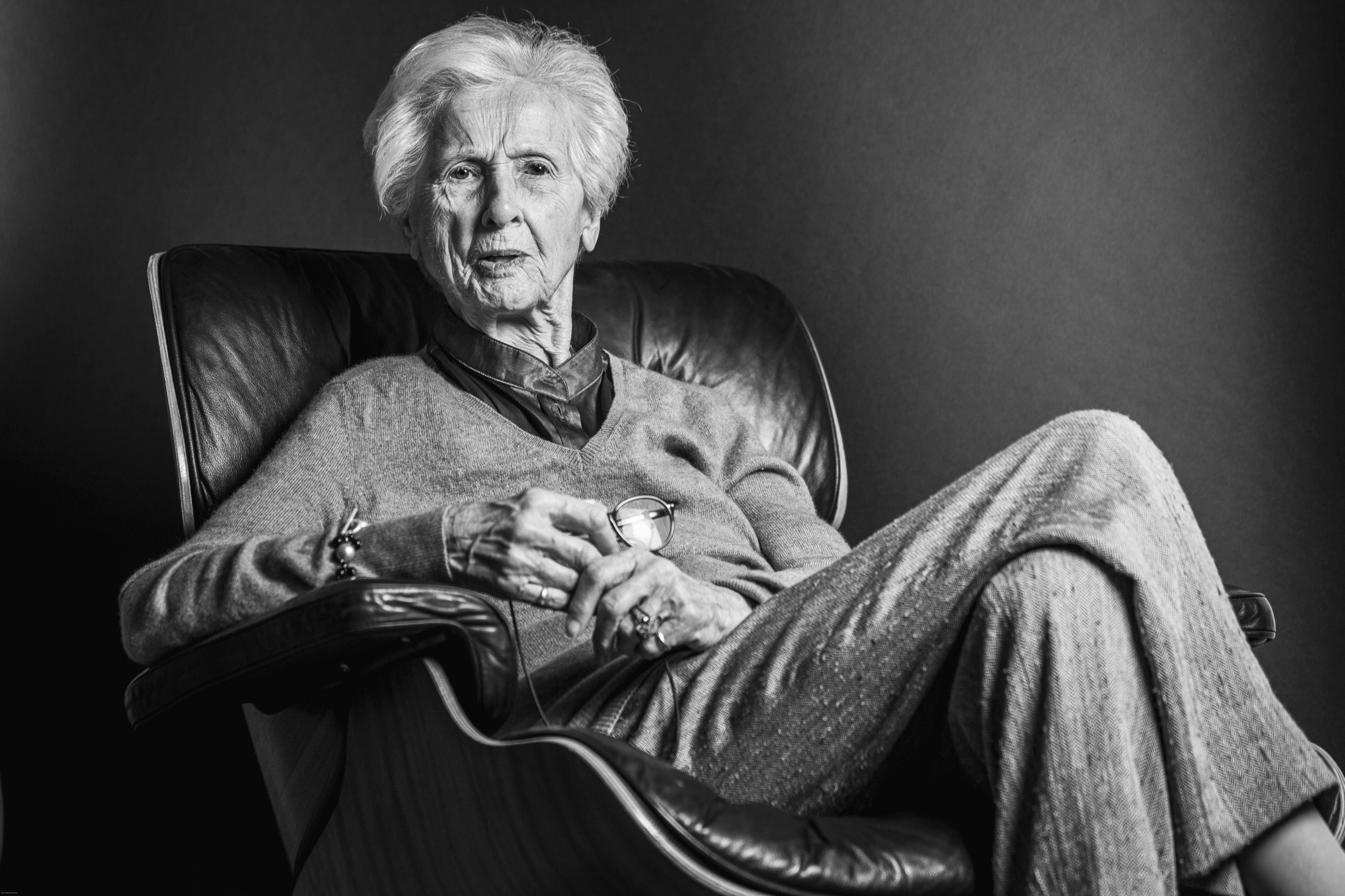
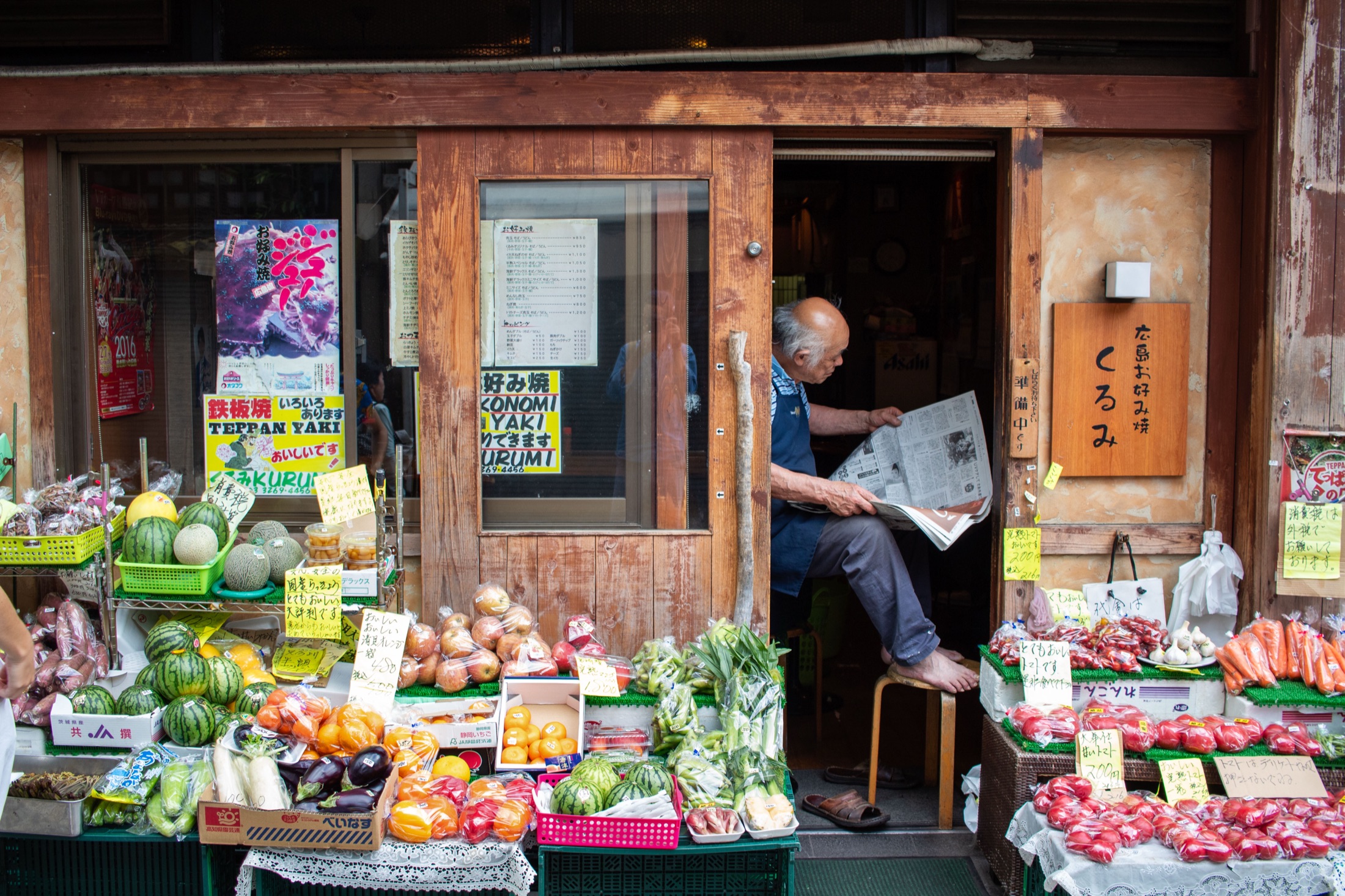
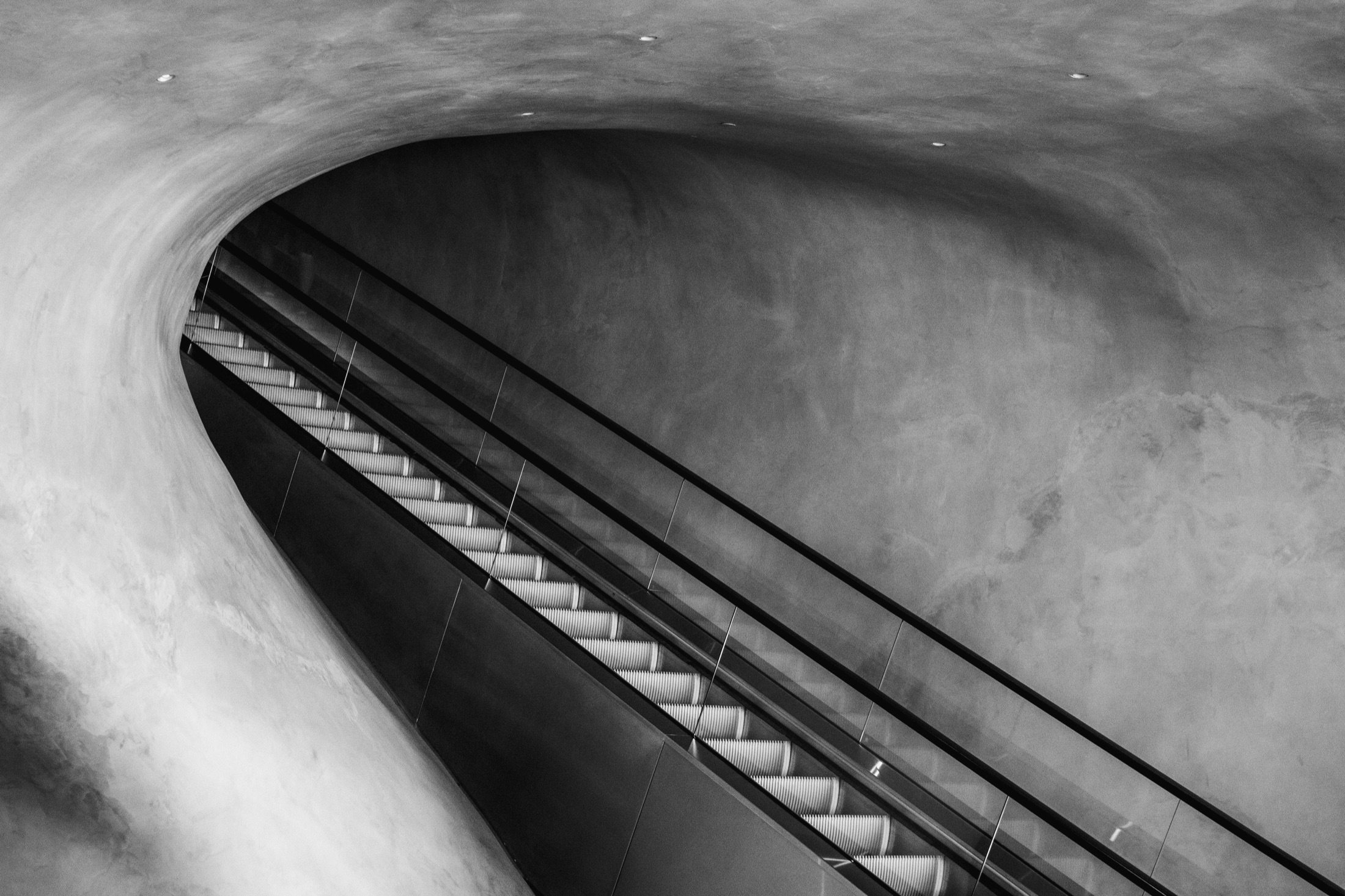
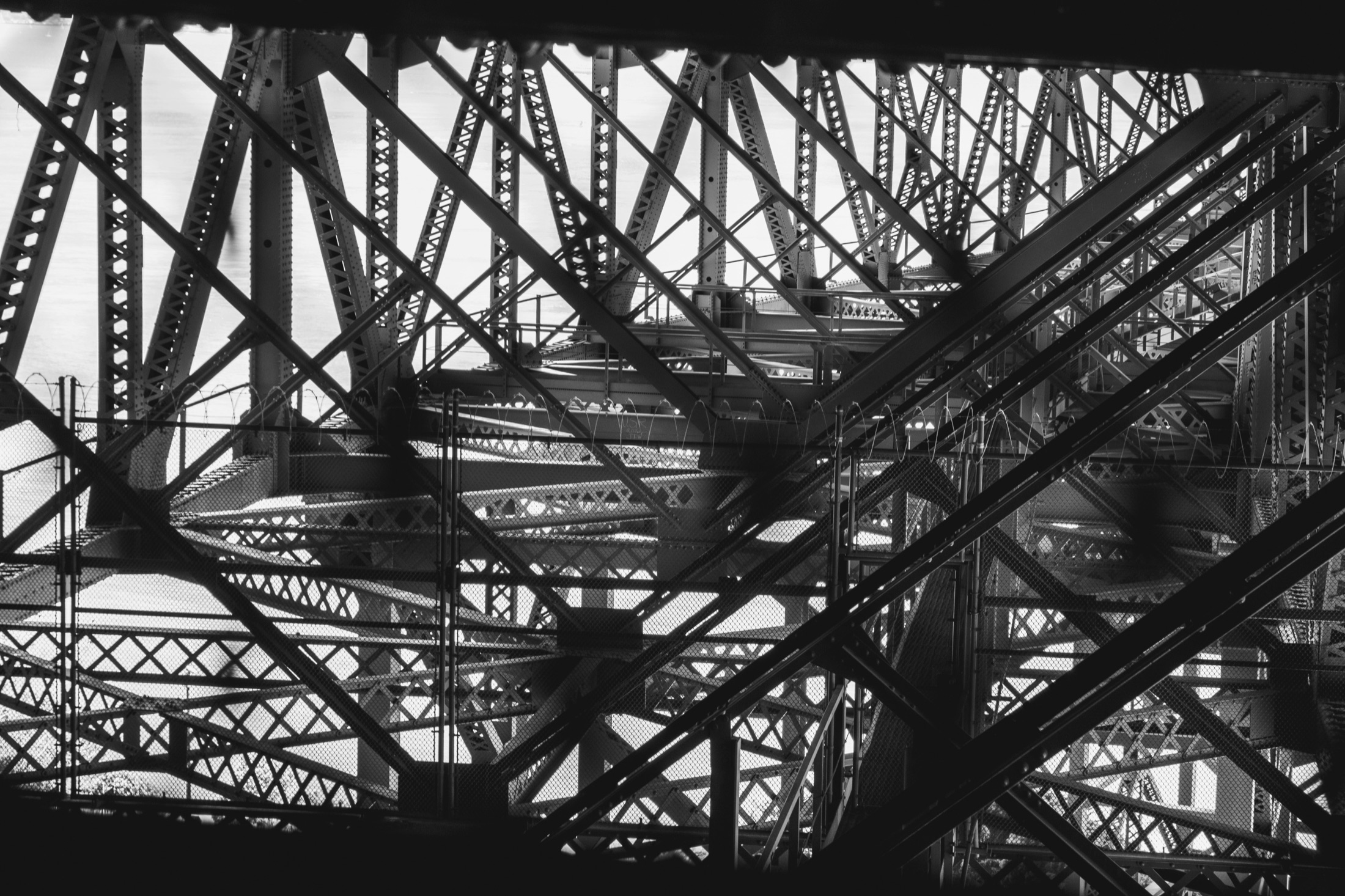
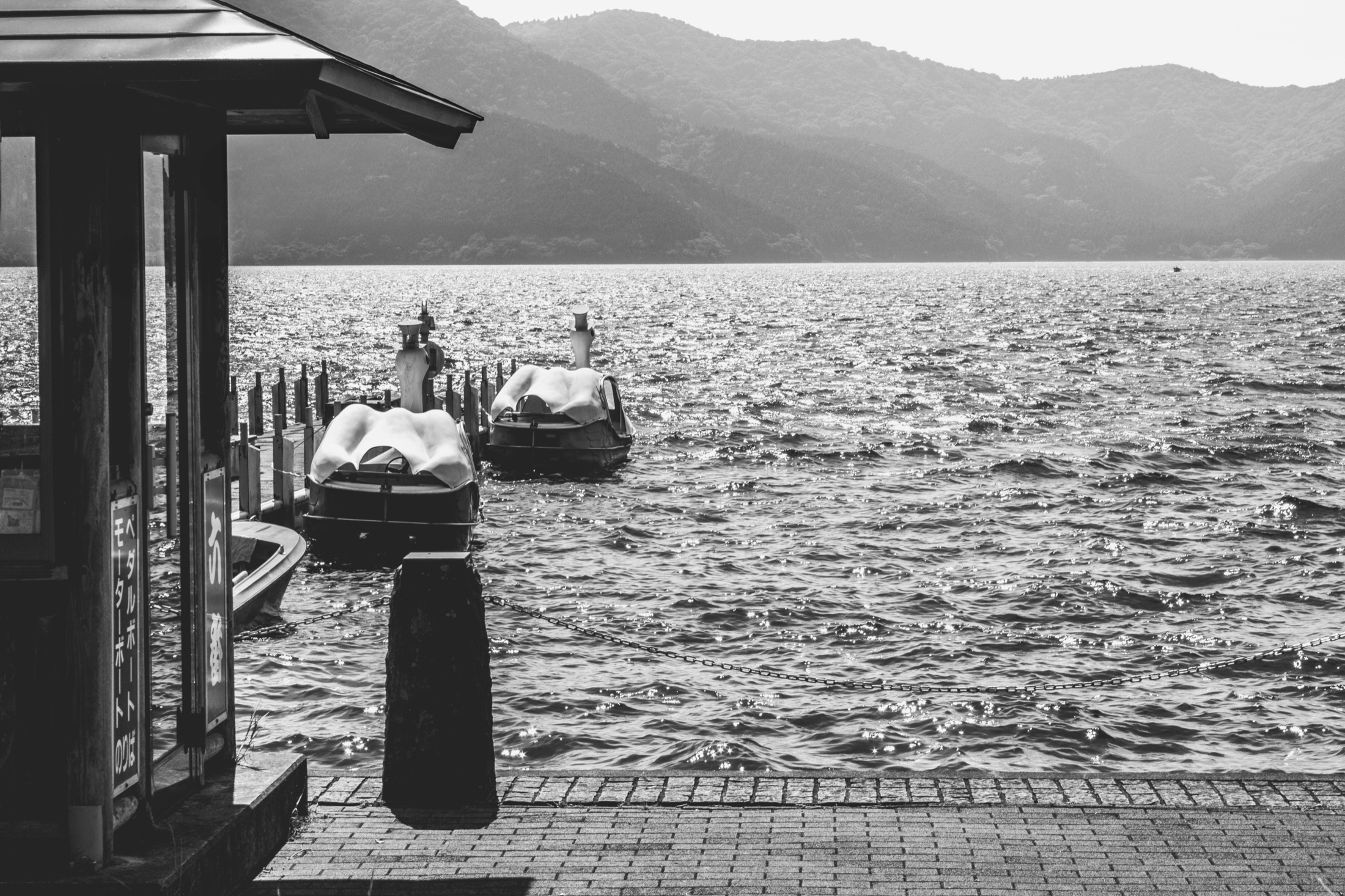
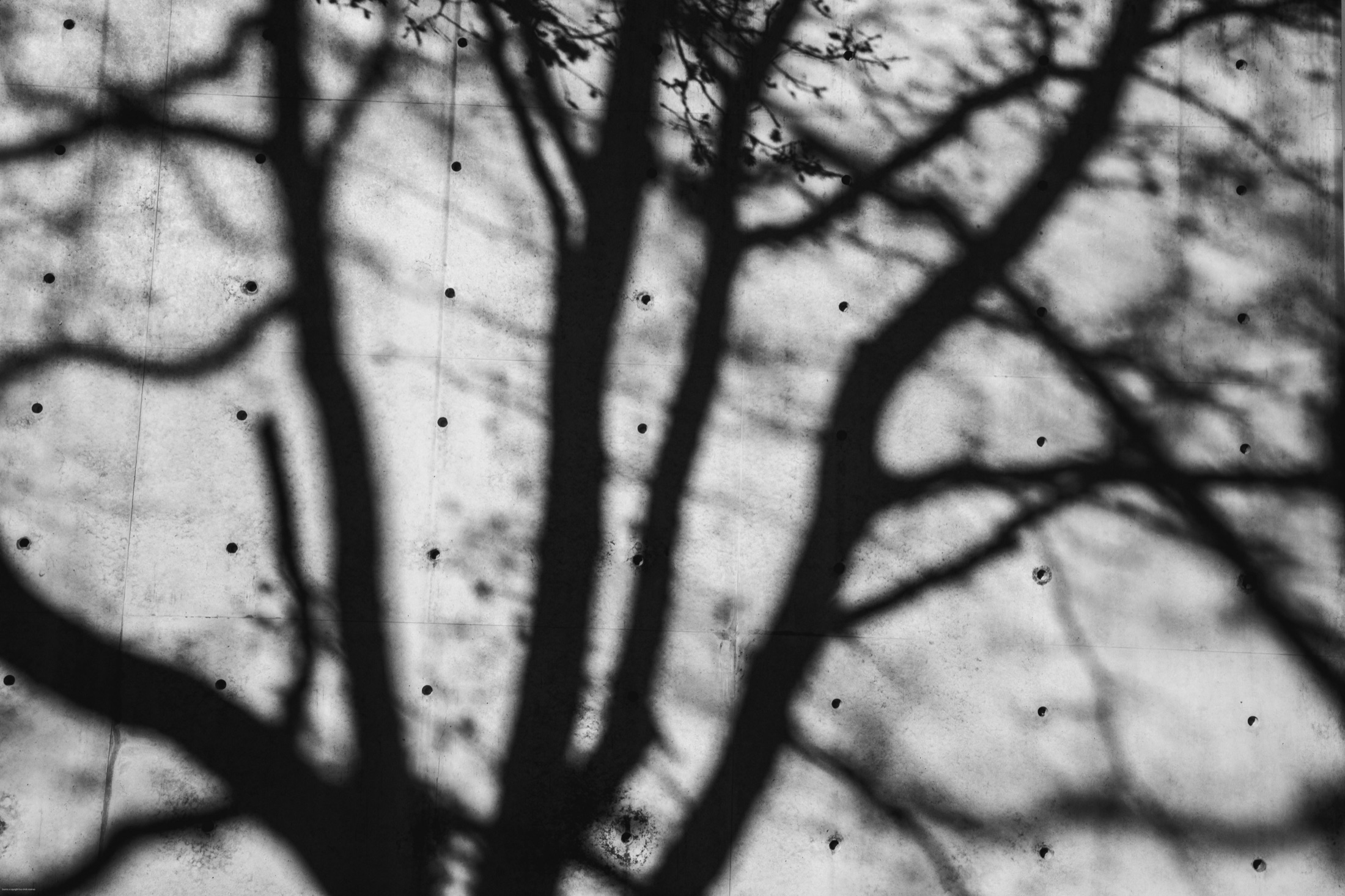
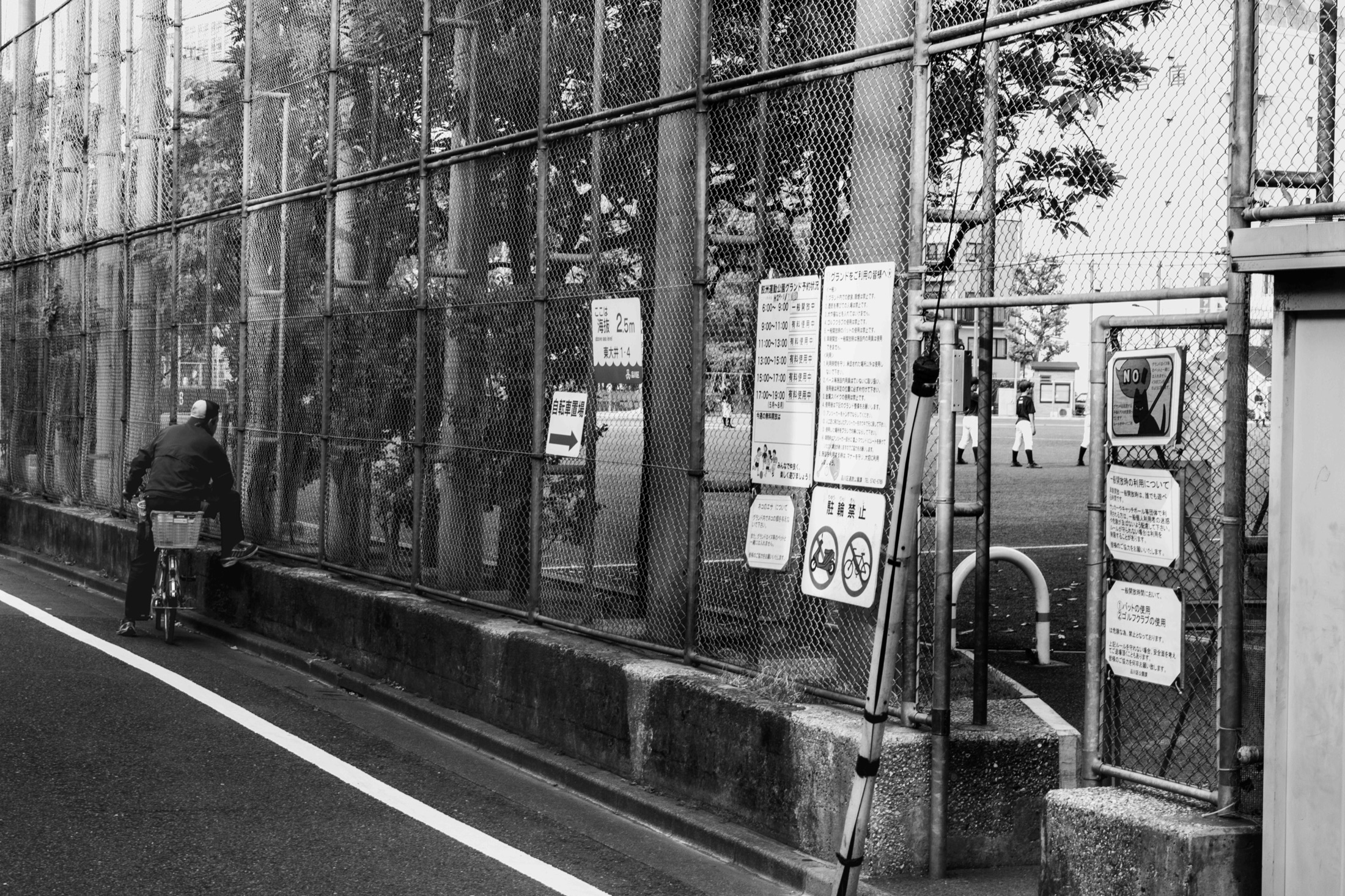
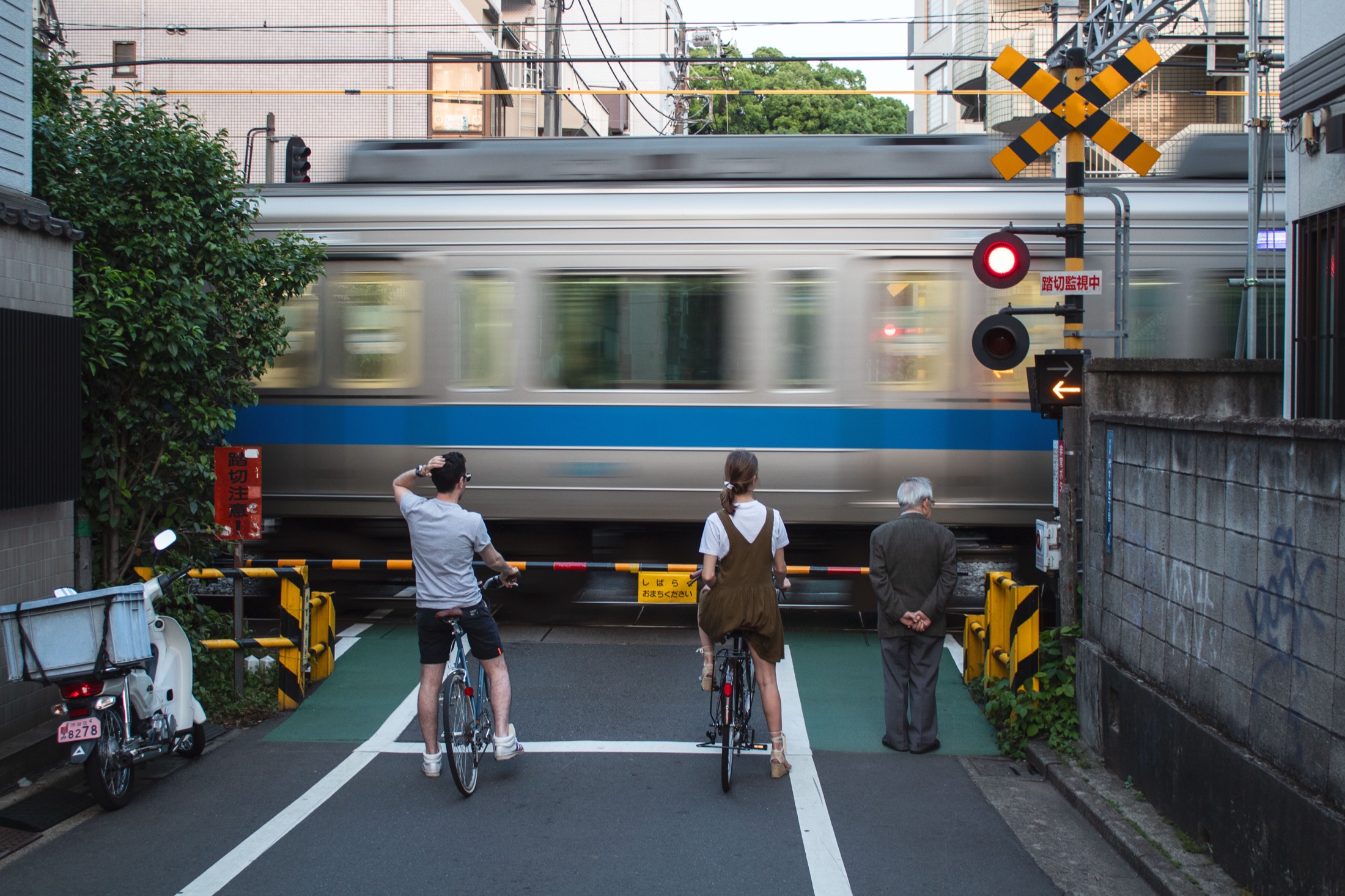
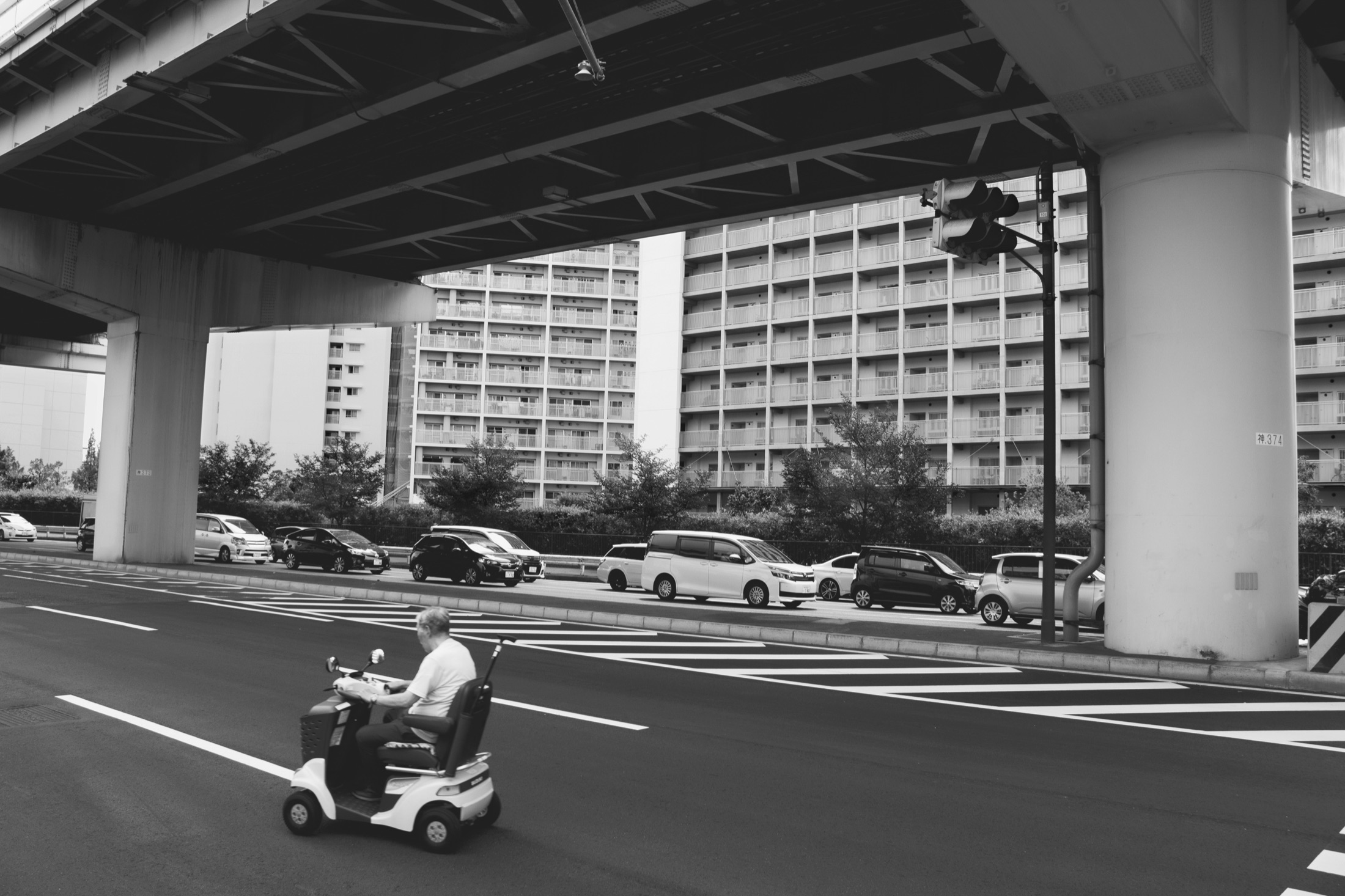
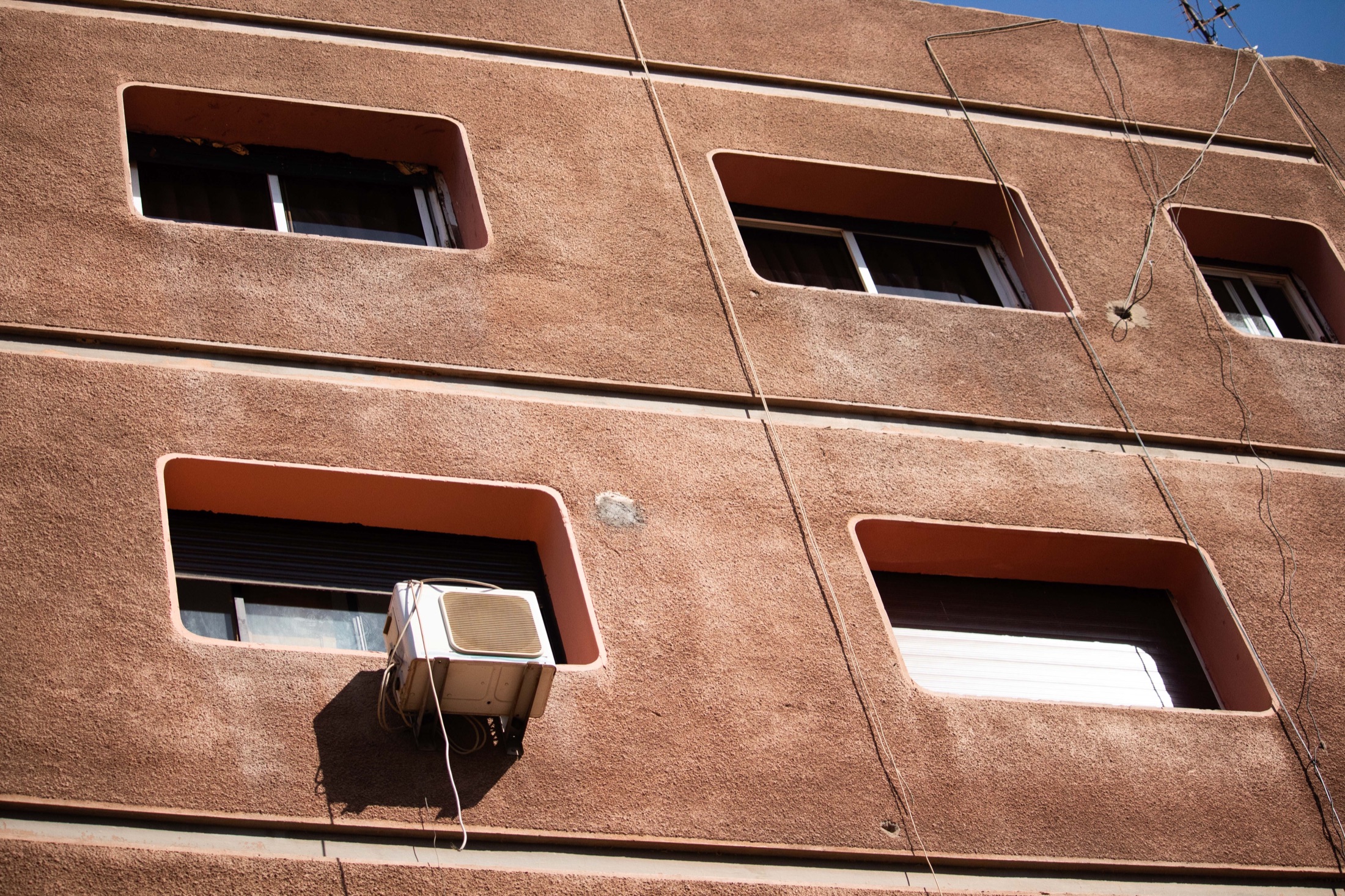
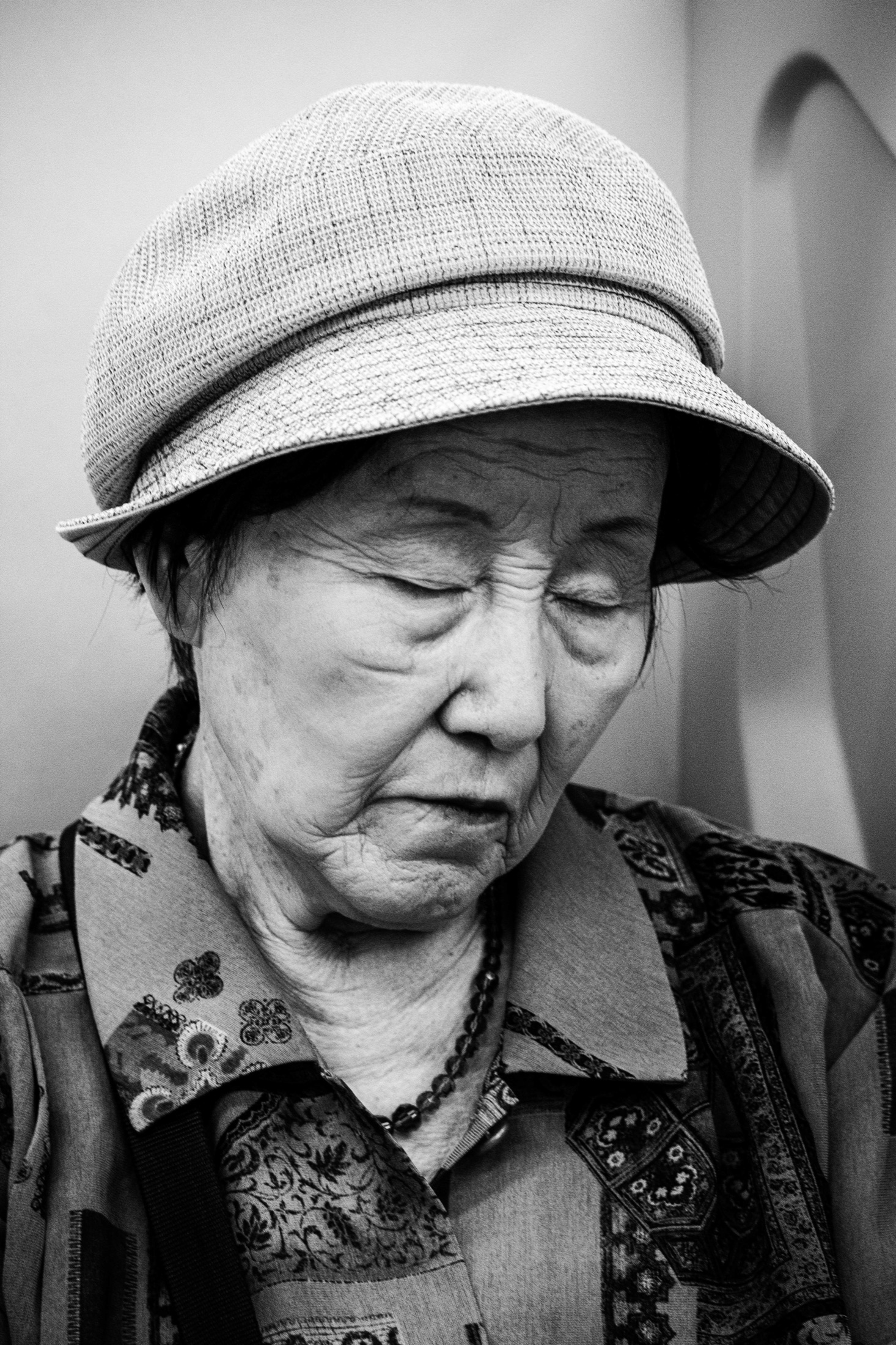
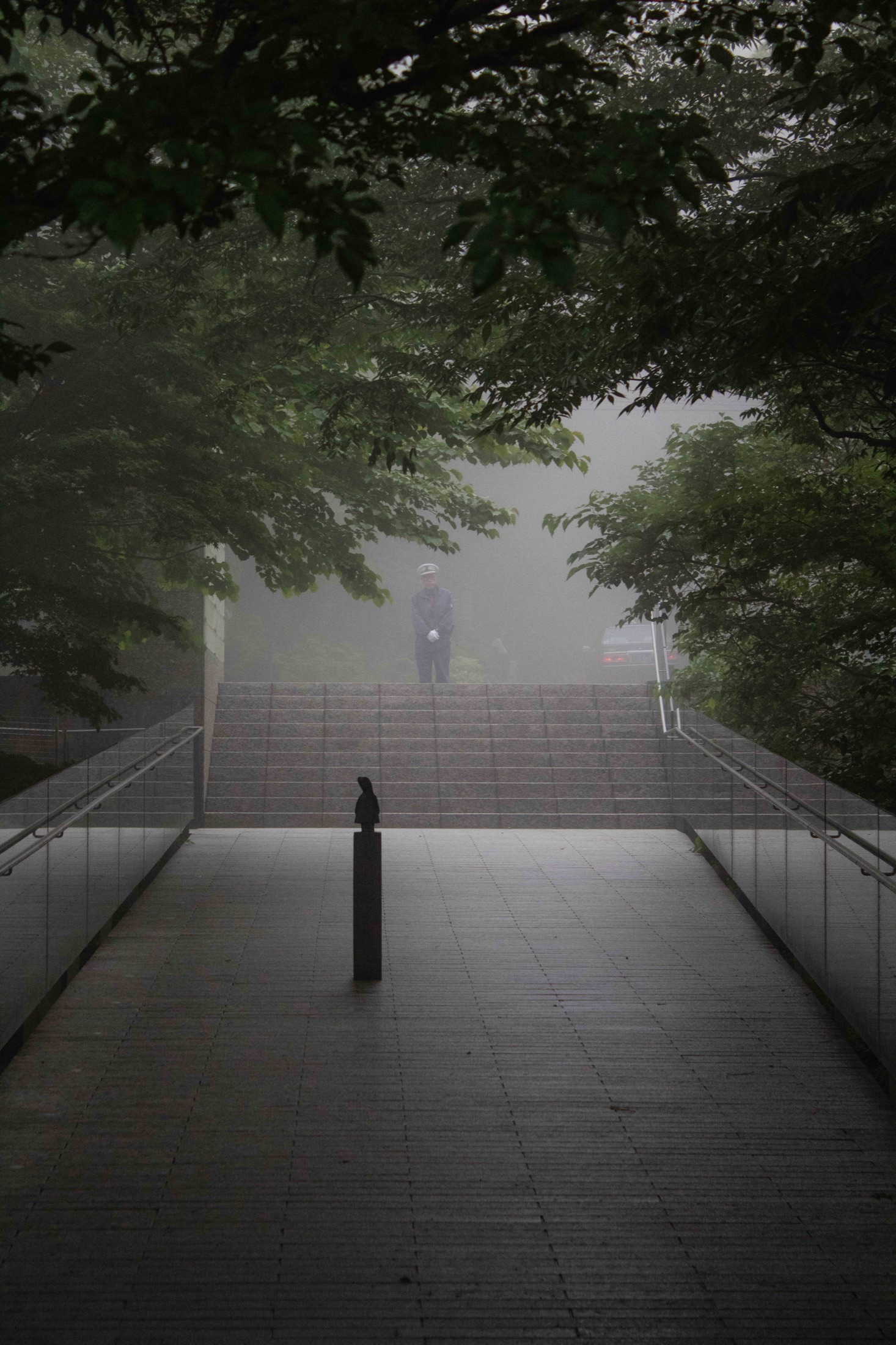
Eighteen prints, taken in Japan, the United States, Germany, Morocco, Senegal and France. Yet the exhibition follows neither a geography nor a chronology: the images detach themselves from their place and answer one another.
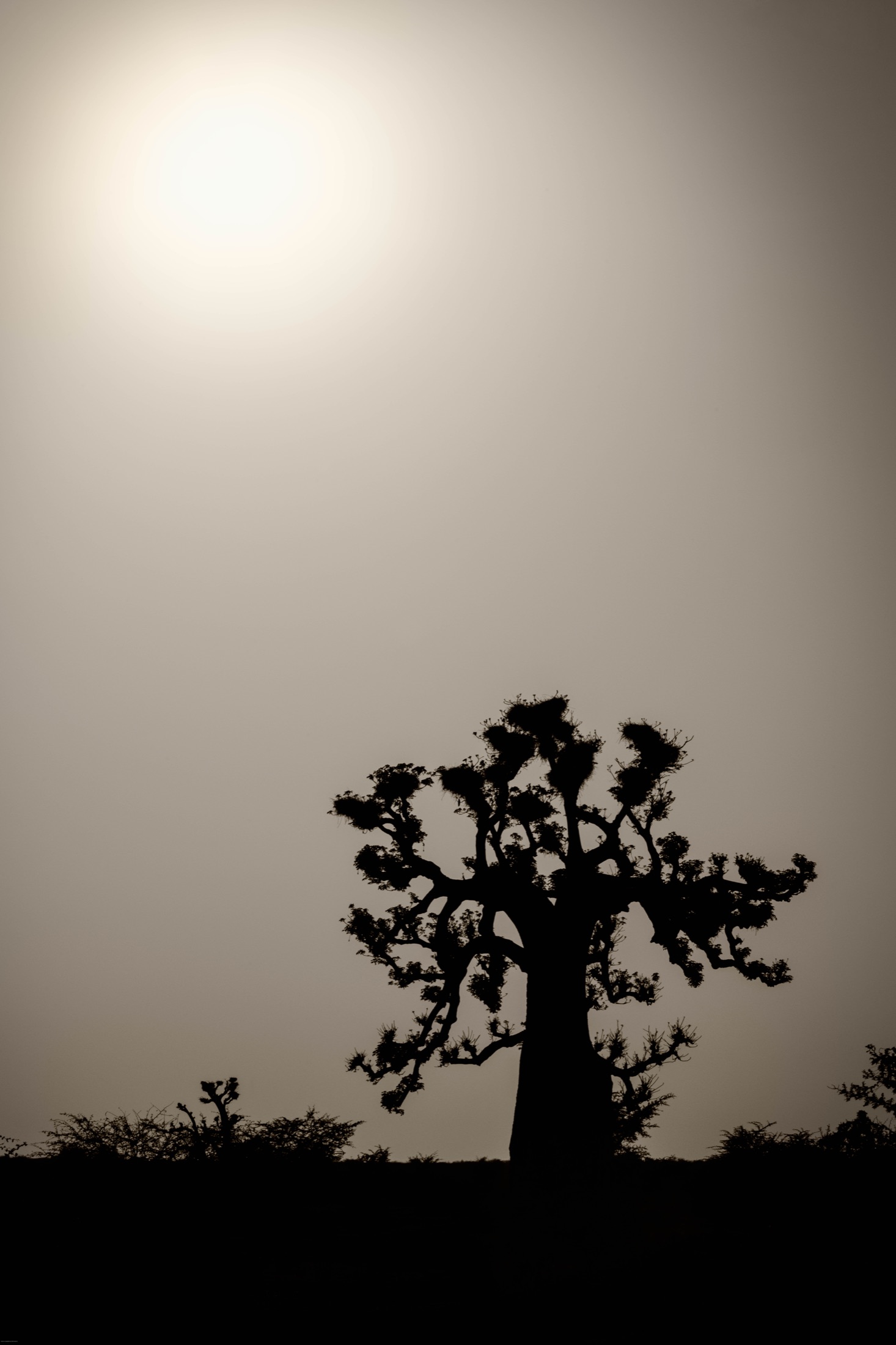
It opens on a century-old baobab, La Figure de l’absence, a silent presence that sets the tone: to be there without imposing oneself. Then come portraits that keep their share of shadow, street scenes caught in their off hours, forms made strange by light.
Ce Qui Demeure (What Remains) is assumed as a pre-AI exhibition: the image as it was made before the generative shift, framed by a gaze and not by a model. A first showing, and the beginning of a conversation.
The works
Eighteen prints
Archival pigment prints on Hahnemühle Photo Rag Baryta paper, produced by Picto Bastille. Large formats 80 × 120 cm, editions of 3, mounted on aluminium. Small formats 40 × 60 cm, editions of 5.
Curated by Pierre El Khoury · Venue courtesy of Roka · Prints by Picto Bastille, Paris
Essay
To Be There Without Imposing
By Pierre El Khoury, curator of the exhibition
Translated from the French.
Arnaud de Turckheim’s very first photographic exhibition (born in Paris in 1990) welcomes us with a majestic tree, La Figure de l’absence, a century-old baobab standing alone against the light. Before visitors even discover the everyday scenes, this silhouette asserts a silent presence. It is a threshold, a first image that sets the tone, the leitmotif at the heart of the exhibition: to be there without imposing oneself, to occupy space while leaving room for the gaze.
The tree resonates with the photographer’s own stature, his great height being a singular physical trait. It would be rash to infer from it a way of photographing; yet this proximity opens up a possible reading. An imposing physical presence may be answered by a photographic posture made of discretion, withdrawal and observation. The photographer is there, attentive and receptive to the manifestations of life, but does not necessarily seek the foreground. His existence shows less through self-assertion than through the quality of his perception, through the way he stays as close as possible to reality while leaving it its autonomy.
The works gathered in Ce Qui Demeure were made in different settings, through the encounters and situations that captivated Arnaud de Turckheim. Yet the exhibition does not seek to render these places according to a geography or a chronology. Their anchoring matters, but it is not the main subject. This is neither an inventory nor a succession of backdrops: the photographs detach themselves from their original context to enter into symbiosis with one another. From one country to another, from an everyday scene to a shadow, a single way of being in the world, and of looking at what surrounds it, takes shape.
The series is built around the notion of the interval: a space of transition between two states, between appearance and disappearance, movement and stillness, proximity and distance. It captures moments when something seems suspended, on the border between what is unfolding and what has just ended. Reality goes on, but the image retains an imprint of it.
The title of the exhibition, Ce Qui Demeure (What Remains), is born of this tension between what passes and what persists. And yet something endures of these instants: a form, a relationship between a body and its surroundings, sometimes simply the feeling of a lived moment.
Without claiming a direct lineage, Arnaud de Turckheim’s work could be placed within the history of contemporary photography, and more precisely documentary photography, which from the 1950s onwards gradually shifted attention from the event to the experience of everyday life.
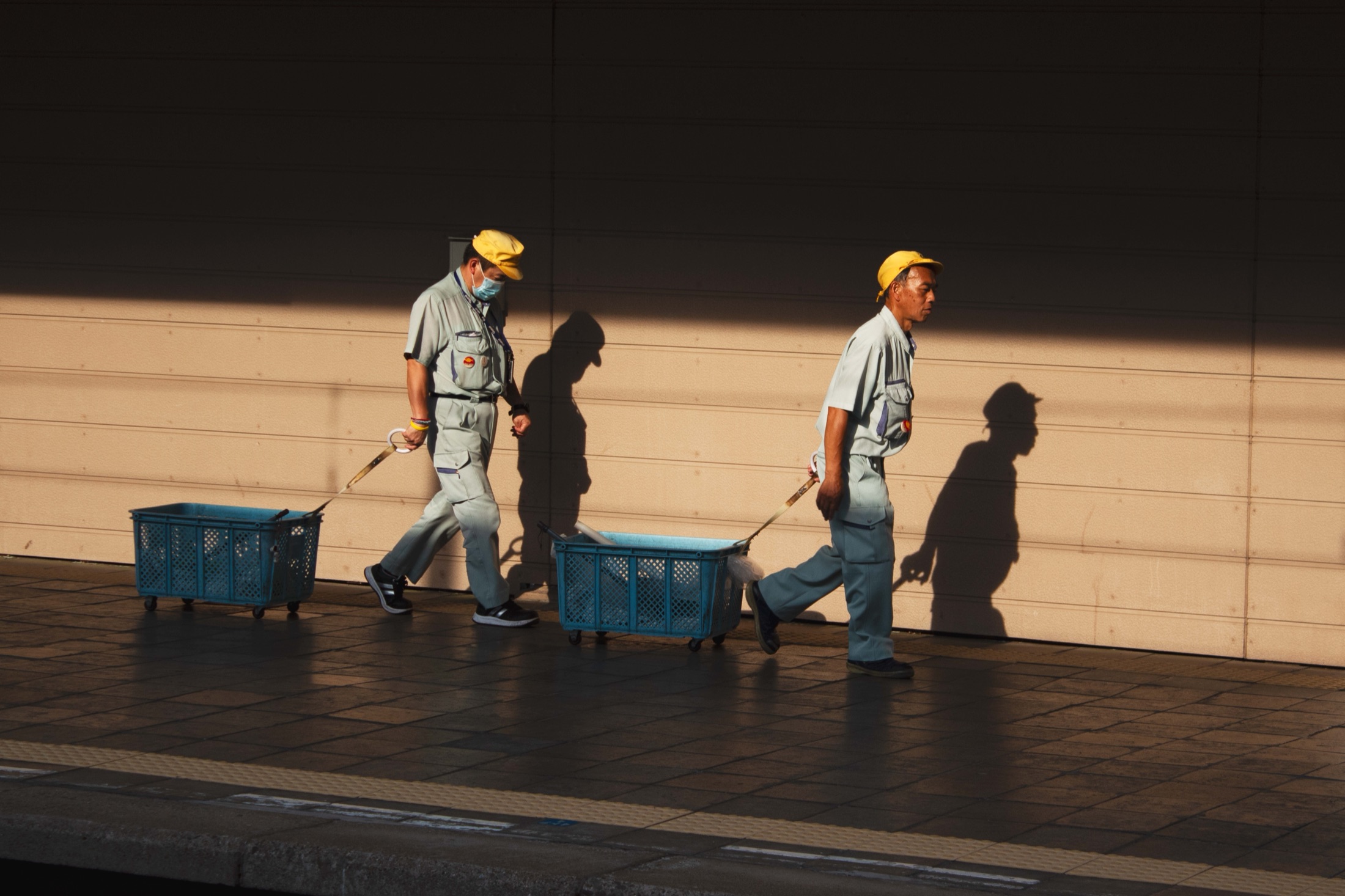
In the work of Harry Callahan1, light and shadow become essential elements of composition. His interest in simple forms and contrasts finds a particular echo in Les Revenantes, where the shadow seems to keep the memory of a body, and in Les Porteurs de lumière, where the figures of the workers and their shadows answer one another, opening a space between the living and its trace.
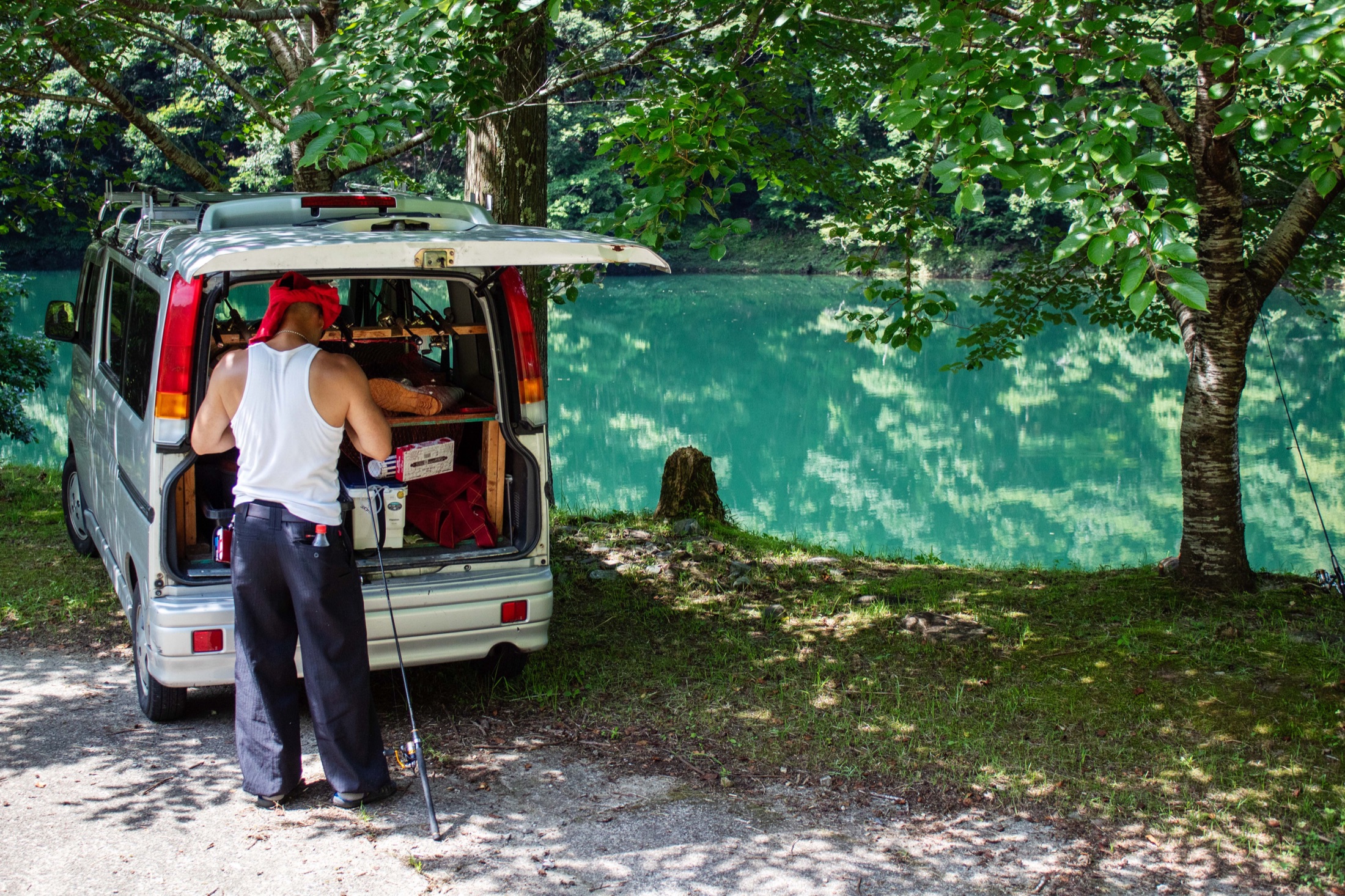
In Robert Frank2, everyday life reveals itself in fragments, without the images necessarily composing a complete narrative. Street scenes and passing figures retain a share of uncertainty. This is what La Traversée and Le Détour explore, where movement does not become a pretext for telling a travel story, but an occasion to seize an instant whose meaning remains open.
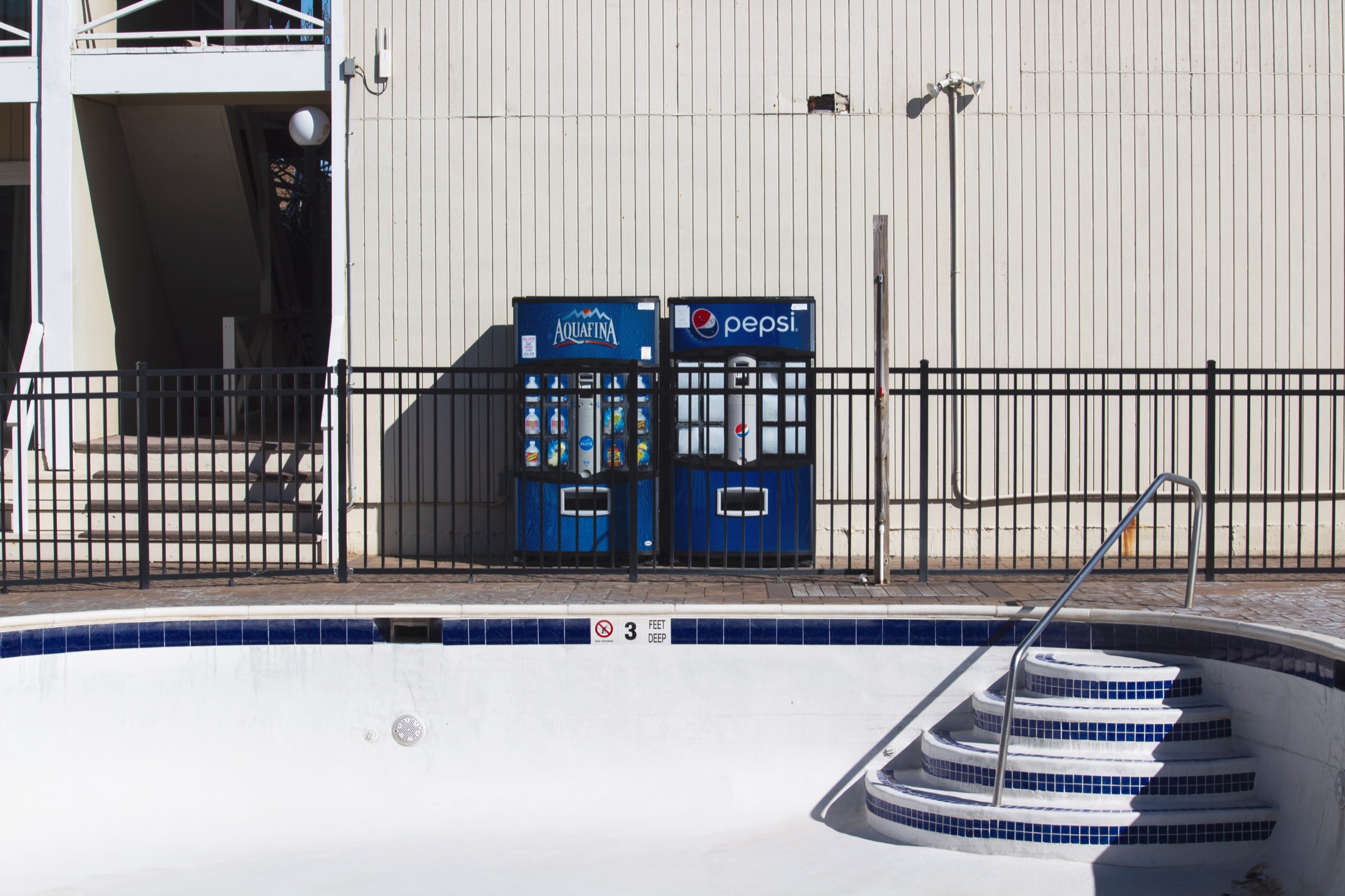
With Stephen Shore3, it is the gaze turned towards ordinary places and the details of the contemporary world that connects with the exhibition. This approach finds an echo in Hors saison, where the empty swimming pool seems deprived of its usual function. There is no wish to seek the spectacular event: he grants the place, its light and its organisation an importance that transforms our perception of the banal.
As for the portraits, they broaden the subject. Among other things, they open a dialogue with Nan Goldin4, the world-renowned American photographer whose work explores intimacy, closeness to the people photographed, and the image’s capacity to hold the trace of a lived experience. Her aesthetic, sometimes marked by grain, blur or direct light, gives the images a sensitive immediacy, as if the image carried within it the very conditions of its existence. This singularity is particularly perceptible in L’Apparition, where grain and photographic texture contribute to the presence of the subject. Here we find that sensitive quality of photography, its capacity to shelter a form of fragility and imperfection, rather than a similarity of subject or of autobiographical approach. In La Gardienne or Le Songe éveillé, the portraits do not seek to reveal everything: they preserve a share of withdrawal, a zone of opacity that leaves the face its freedom and its mystery.
Beyond these connections, one clearly perceives here the various technical feats proper to the medium. Arnaud de Turckheim grasps all its subtleties, whether they arise from accident or intention. The photographic ensemble keeps its autonomy and its share of indeterminacy.
One question runs through the whole series: what remains when everything keeps passing? Is it the body, the place, the light, the memory of what has been seen? Or is it an attention paid to the world, thanks to which an ordinary instant acquires a new existence?
The photographer stands on this border. He is indispensable to the image, but he does not need to appear in it. To be there, to look, to wait - and then let reality go on without oneself.
What remains, then, is not necessarily what lasts longest. It is what survives the passing without becoming stillness, what the image preserves without claiming to hold it entirely. Between the world that goes on and the photograph that keeps its trace, something stays - fragile, uncertain, but now visible to all.
Pierre El Khoury
- 1 Harry Callahan (1912-1999), major American photographer whose intimate and experimental work revolves around three great subjects: his wife (Eleanor), the city and nature.
- 2 Robert Frank (1924-2019), Swiss-American photographer and filmmaker, famous for his iconic book The Americans (1958), which revolutionised documentary photography with its subjective and uncompromising view of American society.
- 3 Stephen Shore (born 1947), pioneering American photographer who transformed art history in the 1970s by establishing colour photography and the raw beauty of the ordinary everyday - gas stations, meals, motels - as major artistic subjects.
- 4 Nan Goldin (born 1953), American photographer and major figure of contemporary photography, who turns her intimate diary - made of love, marginality and violence - into a political and universal body of work.